
How to Choose Wall Art: Style Your Space with Ease
Key Takeaways
- Start with style, space, and scale: define the feeling you want, measure your wall and furniture, and size pieces to the room using the 2/3 width rule and a 57 to 60 inch eye level centerline;
- Choose a layout that fits your wall: single statement, grid, or gallery wall, then keep spacing and alignment consistent for a clean look;
- Use color and frames intentionally: echo one or two hues from your room, and keep frames cohesive so different pieces work together;
- Make it renter friendly and flexible: opt for adhesive, repositionable frames like Mixtiles so you can test, tweak, and expand over time.
Choosing wall art is not about strict rules: it is about creating a feeling in your home. The trick is knowing the few guidelines that make choosing art easy. In this guide, you will learn how to choose wall art that fits your style, matches your space, and scales beautifully. We will cover measurements, color pairing, frames, and renter friendly hanging options you can set up in minutes using Mixtiles photo tiles and gallery wall kits.
Ready to see your photos as beautiful wall art? Build a photo gallery wall in the Mixtiles app. Peel and stick. No nails. Totally repositionable.
What is a simple step by step to choose wall art today?
Follow this quick checklist to go from a blank wall to a finished gallery without stress.
- Define mood in three words to guide style and color choices;
- Measure your wall and the furniture below to find the right size;
- Pick a layout, single, grid, or gallery, based on your wall and room use;
- Choose one or two room colors to echo in your artwork and frames;
- Select frame finishes and optional borders so pieces feel cohesive;
- Mock up height and spacing, use the 2/3 rule, 57 to 60 inch centerline, and 6 to 10 inches above furniture;
- Install with Mixtiles adhesive or magnet mounting so you can adjust live and keep your walls damage free.
What should you decide first before choosing wall art?
Begin by defining the mood, measuring your wall and furniture, and deciding which walls are focal points. This gives you a clear brief before you shop or print.
Define your room’s mood and story
Write three words that describe how you want the room to feel, for example calm, cozy, creative. This will steer you toward the right artwork and colors. If you want energy in a living room, consider bold abstract prints or a lively photo gallery. If you want a soothing bedroom, choose softer tones and fewer busy pieces. Personal photos make a room feel unique, so let your story lead the look.
Take inventory of your wall and furniture
Measure the wall width and height, plus the width of furniture under it. Note outlets, switches, vents, and windows that affect placement. Sightlines matter: stand in doorways and at the sofa to see what you will look at most of the time. This helps you pick the right size and layout.
Choose a focal wall vs. supporting walls
Reserve your biggest piece of art for a focal wall in a social space like the living room or dining room. Hallways, stairs, and small walls are great for a gallery wall or a simple grid of smaller pieces. This mix keeps the whole home balanced.
How big should your wall art be?
As a rule of thumb, art over furniture should be about two thirds the width of the furniture. Hang the art so the center sits near 57 to 60 inches from the floor. Leave 6 to 10 inches between the top of the furniture and the bottom of the frame.
The 2/3 rule (over sofas, credenzas, beds)
If your sofa is 84 inches wide, aim for art around 56 inches wide. A dining buffet at 60 inches pairs well with a piece about 40 inches wide. This keeps proportions comfortable and avoids the “too small over big furniture” look.
Eye-level and above-furniture height rules
Gallery professionals center large artwork around 57 to 60 inches from the floor. Over furniture, keep 6 to 10 inches of space between the furniture top and the frame bottom. These simple measurements make hanging and choosing art faster and more accurate.
Quick Sizing Guide: Pick the right size relative to furniture
|
Placement |
Typical furniture width |
Recommended art width (2/3) |
Example Mixtiles layout |
|---|---|---|---|
|
Living room sofa |
84 in, 213 cm |
56 in, 142 cm |
6×2 Mixtiles grid of 8 in tiles, or three 20×27 in canvases |
|
Console or buffet |
60 in, 152 cm |
40 in, 102 cm |
4×2 Mixtiles grid, or one 27×36 in canvas |
|
Queen bed |
60 in, 152 cm |
40 in, 102 cm |
5×1 Mixtiles row, or two 20×27 in canvases |
|
King bed |
76 in, 193 cm |
50 in, 127 cm |
5×2 Mixtiles grid, or one 27×36 in plus two 12×16 in flanking prints |
|
Narrow wall |
30 in, 76 cm |
20 in, 51 cm |
Scale by wall size
Big walls want a single large piece, a grid of three or more, or a gallery wall. Narrow walls love a vertical stack, slim diptych, or a mirror. If you are unsure, size up. Oversized art usually looks modern and intentional.
What layout works best: single piece, grid, or gallery wall?
Choose a single statement for calm minimal rooms, a grid for modern order and photos, and a gallery wall to mix different pieces and tell a fuller story.
Single statement
Use one large piece of art when you want a quiet, modern feeling. This could be a Mixtiles canvas print with a landscape, a black and white photograph, or a favorite work of art. When in doubt, go a bit larger than you think, and let white space around it make the piece shine.
Grid (the Mixtiles favorite)
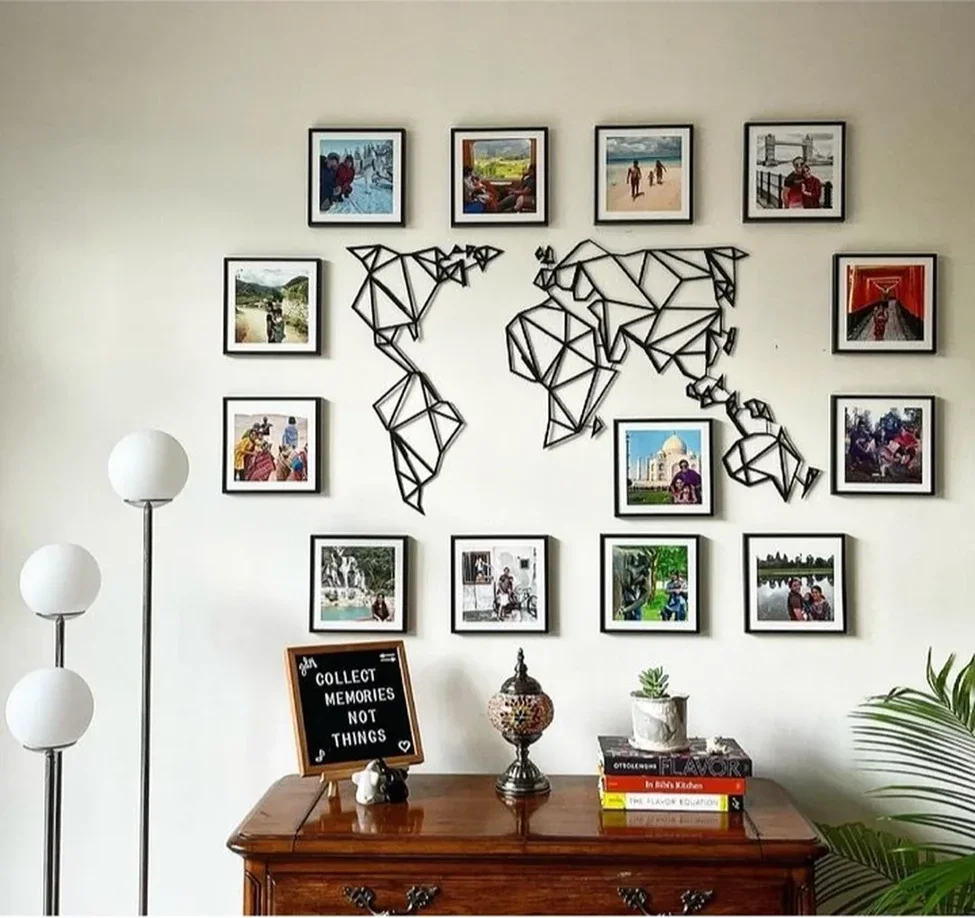
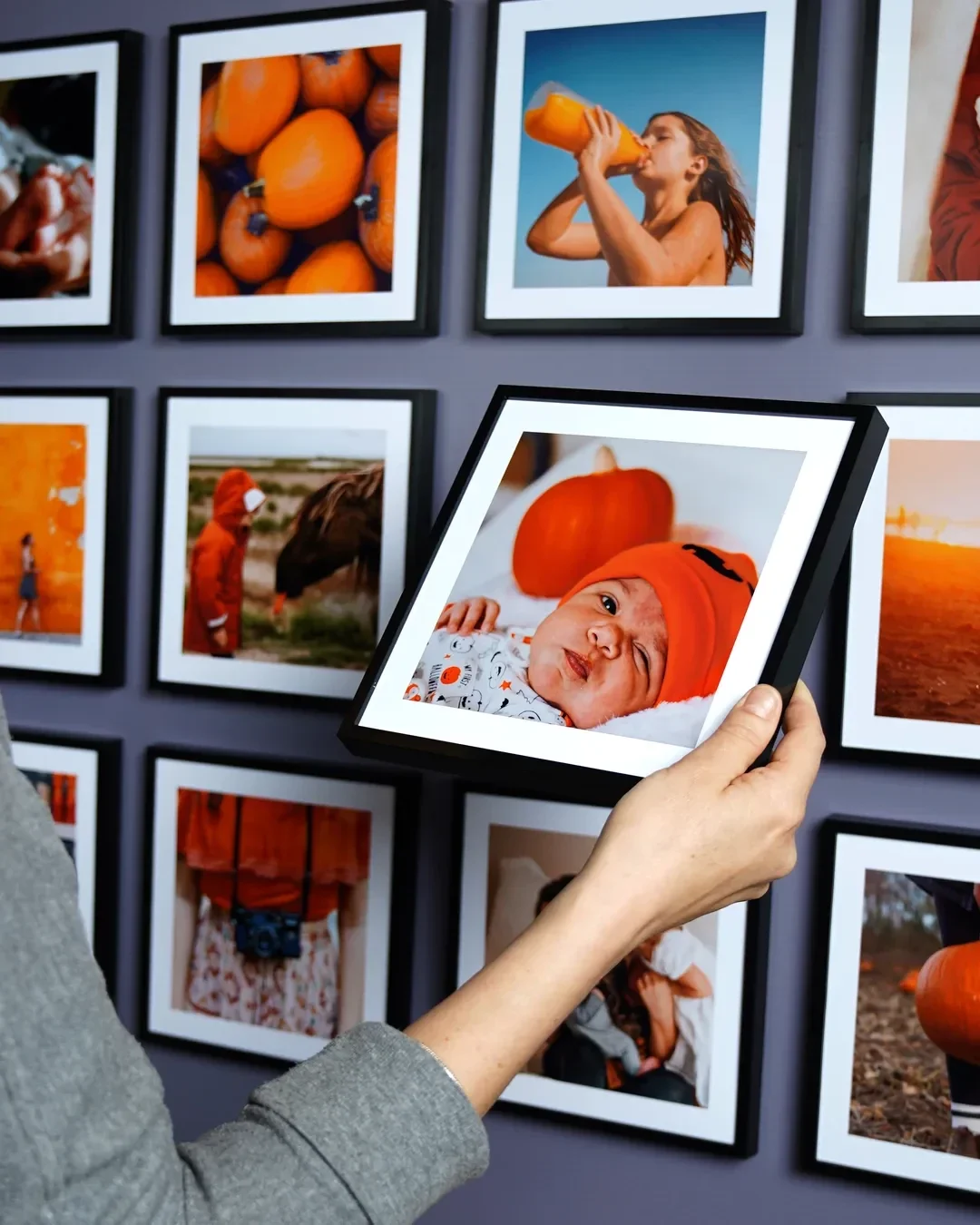
A grid is clean and symmetrical. It is ideal for photo collections from travel, family life, or nature. Keep spacing consistent, for example around 2 inches between tiles, and align the overall composition to the furniture below. Mixtiles Gallery Wall Kits include templates that make spacing quick and accurate.
Choose a grid when you want order around a TV wall, calm repetition in an open plan living room, or an easy way to grow your display over time by adding more tiles.
Gallery wall
Start with an anchor piece, usually the largest work. Build the outline with mid sized pieces, then fill gaps with smaller pieces, framed photos, or a wall sign. Keep cohesion by repeating one or two colors and using frames in the same finish family like black, white, or oak. Mixtiles Gallery Wall Kits provide ready to hang layouts if you want to skip the planning and still get a perfect look.
How do you pick colors and styles that actually work with your room?
Repeat one or two colors used in your decor and balance busy art with calmer pieces. This keeps variety while staying cohesive.
Color linking

Look around your space. Pull a dominant color from the sofa, rug, or throw pillow and repeat it softly in your artwork. If your dining room has a green runner, choose prints with a touch of green. This approach connects the wall to the room without feeling too matchy.
Style mixing

Mix styles to add interest. Pair abstract art with photography, or a figurative piece with a landscape. If one piece is very detailed, balance it with a simpler print or a minimalist photo. This mix creates depth and keeps a gallery from feeling flat.
Background matters

Dark walls make art pop when you use white mats or light frames. Light walls gain definition from darker frames. Mixtiles frames come in several finishes, and you can add a printed border that mimics a mat for that gallery feel.
What frames and finishes make your wall art feel cohesive?
Pick a frame family like black, white, or oak, and repeat it across pieces. Add mat-like borders to give photos breathing room and a professional finish.
Keep frames consistent, but not identical
Unify your works of art with one finish family while varying sizes for rhythm. A series of framed prints in black, mixed with a few oak frames around the room, can look intentional when the palette is limited to two tones.
Matting that elevates
A white or linen look border adds breathing room, especially for small pieces. It draws the eye to the artwork and makes even casual photos look curated. Mixtiles offers a printed border option that simulates matting without extra bulk.
For photo tiles
Lightweight, slim frames keep grids crisp and modern. Mixtiles Photo Tiles and Canvas Tiles are designed for easy alignment, which helps you create a polished gallery wall without special tools.
Test layouts without committing. Use the Mixtiles preview tools to visualize a picture wall or see your photos as custom canvas prints, then hang in minutes with peel and stick frames.
Where should you hang art, and how high should it go?
Center art at eye level for most views, then adjust slightly based on the furniture and how you use the room.
Living room

Over the sofa, follow the 2/3 width rule and keep the bottom of the art 6 to 10 inches above the back. On a TV wall, flank the screen with a matching grid so the TV feels integrated. A grid of smaller pieces can tame a big blank wall and make the space feel finished.
Dining room

Center a single piece or grid over the buffet. Keep the artwork low enough to enjoy while seated. A wall sign paired with a few framed photos can make a warm, personal focal point.
Bedroom

Over the bed, try a low, wide composition like two or three pieces, or a calm 3×2 grid. Soft palettes and simple photos help the room feel restful. If ceilings are high, stack two smaller pieces to fill the space.
Hallways and stairs

A gallery wall adds personality to transitional spaces. Maintain consistent spacing and follow the incline of the staircase with the centerline of the composition. Smaller pieces are great here because you view them up close.
Unexpected places

Between windows, above doorways, on bookshelves, and inside glass front cabinets are all great places to hang small artwork. These spots add delight to everyday routines.
How can renters hang wall art without damage?
Use adhesive, repositionable frames and lightweight prints. Plan on modular layouts that can grow or move with you, and clean walls before mounting for the best hold.
Choose adhesive, repositionable frames
Mixtiles Photo Tiles use a stick and restick system or a wall magnet option depending on style. They hold tight on most painted walls and remove cleanly. Press for a few seconds on rougher surfaces like brick or textured walls to help the adhesive grip. Clean with a dry, soft cloth.
Build over time
Start small with a 2×2 grid, then expand as you collect new photos. Mixtiles Gallery Wall Kits make it easy to add matching pieces later so your gallery stays cohesive as you grow it.
Move it as your space evolves
Reposition tiles when you switch furniture or move homes. Cover adhesive backs with wax paper during storage to keep them dust free. If tiles are not sticking as expected, Mixtiles support can help troubleshoot.
How do you turn your phone photos into elevated wall art?
Curate a theme, edit for cohesion, and arrange images so the whole wall reads as one thoughtful piece of art.
Curate a narrative
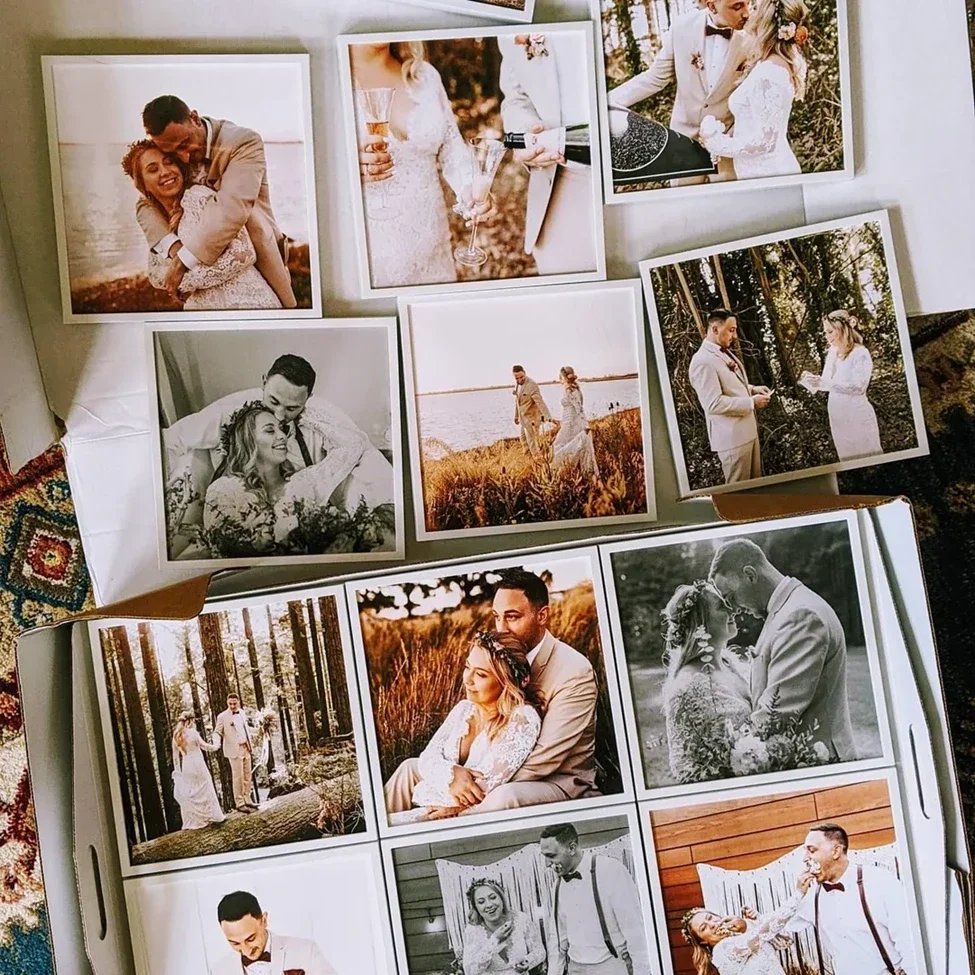
Choose a theme like travels, everyday moments, family milestones, or nature details. A clear story helps you select images you love and that work together.
Edit for cohesion
Use a consistent filter or color temperature so pieces feel related. Mix wide shots with close ups, and avoid too many near duplicates. This is a simple way to make your gallery look intentional.
Plan the sequence
Alternate busy images with quieter ones. Anchor the corners of a grid with bolder shots, and place lighter, airy images toward the center to keep the eye moving comfortably around the composition.
Learning how to choose wall art comes down to a few smart moves. Decide on the feeling you want, size pieces to your furniture, and choose a layout that fits your space. Keep spacing consistent, repeat a couple of room colors, and hang at eye level. With Mixtiles Photo Tiles, Canvas Prints, and Gallery Wall Kits, you can create a gallery you love, then reshape it any time your life or your rooms change.
Turn your photos into instant wall art. Create a Mixtiles grid or gallery now. No nails. No damage. Totally repositionable.
Frequently Asked Questions
How do I choose wall art that fits my space and style?
Start with mood: pick three words for how you want the room to feel. Measure your wall and nearby furniture, choose a focal wall, then shortlist art that echoes that vibe and fits the space comfortably.
What is the 2/3 rule for sizing wall art over furniture?
Size the artwork to about two-thirds the width of the furniture below it. For example, over an 84-inch sofa, aim for roughly 56 inches of art width. This creates natural visual balance and avoids the “too small” look.
What is the 70/30 rule, and how does it help with wall art?
Use 70% calm, cohesive elements and 30% accents. In wall art, let most pieces share a simple palette or theme, then add a few bolder works for contrast. The mix feels intentional without overwhelming the room.
How high should I hang wall art?
Center most art at 57–60 inches from the floor. When hanging above furniture, keep 6–10 inches between the furniture top and the frame bottom. Adjust slightly for high ceilings or rooms where you’re mostly seated.
Should I choose a single piece, a grid, or a gallery wall?
Pick a single large piece for a calm, minimal look; a grid for modern symmetry and photo collections; or a gallery wall to mix sizes and styles. Match the layout to wall size and how the room is used.
How do I pick colors and frames that look cohesive?
Repeat one or two colors already in your decor and stick to a frame family (black, white, or oak). Add white borders or mats for breathing room. This ties different pieces together without feeling too matchy.
What are renter-friendly ways to hang wall art?
Use lightweight prints with adhesive, repositionable frames to avoid holes. Clean the wall first, press firmly to set, and adjust as needed. Mixtiles photo tiles are peel-and-stick and restickable, making layouts easy to tweak.

Be first to know — deals, news & decor ideas.
By clicking you agree to the Terms of Use & Privacy Policy